Two Days, One Rate: Timing the Spot Market Before Your Quote Goes Stale

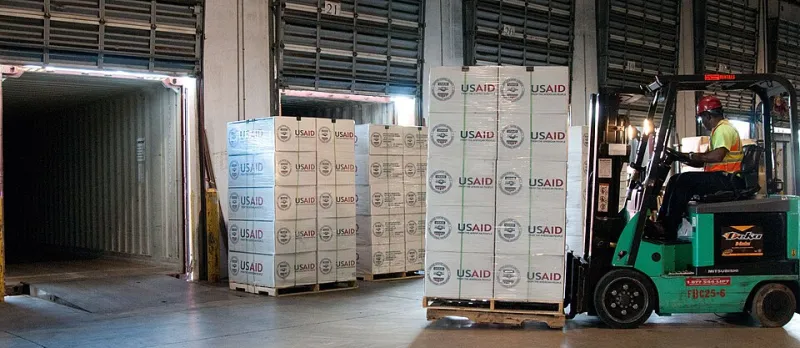
Photo: Carl Davies, CSIRO, CC BY 3.0, via Wikimedia Commons
A shipper in Columbus requests a dry van quote to Dallas on a Monday morning. By Wednesday afternoon, the rate has moved 9%. Nobody made a mistake — the market simply moved. In truckload freight, a quote is a snapshot of capacity at a moment in time, and that moment rarely lasts beyond two business days.
Why the Clock Starts Ticking Immediately
Spot rates reflect the balance between available trucks and available loads in a given lane on a given day. That balance shifts constantly: freight volumes spike, drivers reach hours-of-service limits, and carriers reposition equipment toward stronger markets. When a carrier issues a quote, it is essentially reserving mental capacity for your load — but it won't hold that equipment indefinitely while other opportunities roll in.
Add external shocks and the window narrows further. A tariff announcement can reroute import flows within a week, flooding certain lanes with new volume. Seasonal surges — produce out of California and Florida, retail replenishment ahead of the holidays — compress capacity so fast that a Friday quote may be meaningless by Monday's market open.
The Cost of a Slow Response
Shippers frequently treat the quote-to-tender process as administrative, but delay carries a real price. When a quote sits for three days and the load finally tenders, the carrier must re-price against current conditions. The result is often a higher rate, a rejected tender, or a late notice posted to a load board at a premium.
The pattern is consistent: the faster a shipper can say yes, the stronger its negotiating position. Speed of decision is a pricing lever, not just an operational nicety.
Building a Quote-Ready Shipment Package
Carriers respond fastest — and price most competitively — when they don't have to chase information. Shippers who consistently assemble complete shipment data upfront see quicker turnaround and fewer repricing events. The essentials:
- Lane and equipment: origin and destination with ZIP codes, trailer type, and any special requirements such as temperature control or liftgate service.
- Weight and dimensions: accurate totals, plus pallet count and stackability. Guessing high or low both cost money.
- Dates and flexibility: pickup window, delivery window, and how much flexibility exists. A load that can move a day early is easier to cover.
- Accessorials in advance: detention expectations, driver-assist needs, appointment scheduling. Surprise charges erode trust and inflate future quotes.
- Documents: BOL templates, reference numbers, and any cross-border paperwork ready before the rate conversation begins.
For international moves, documentation is even more decisive. A missing commercial invoice or an unclear consignee address on cross-border freight can stall a quote entirely — carriers price the risk of administrative delay into the rate. This is where translation-adjacent support matters: when customs paperwork, packing lists, and instructions of use are clear and accurately rendered, carriers have fewer reasons to build a buffer into their number.
A Practical Playbook for Timing Your Requests
- Quote early in the week, tender fast. Monday and Tuesday requests give carriers time to plan and often produce firmer numbers than Thursday-afternoon asks.
- Set an internal 24-hour decision rule. If a quote is competitive, accept it before the market confirms otherwise. Waiting for a marginally better number usually costs more than it saves.
- Batch your lane portfolio. Asking one carrier for three loads at once earns more attention than three separate requests spread across a week.
- Watch the calendar, not just the rate. Produce seasons, tariff deadlines, and holiday capacity crunches are predictable. Quote ahead of them, not into them.
- Track quote validity explicitly. Ask carriers how long a rate holds, and treat that window as a hard deadline rather than a suggestion.
Certainty Is the Cheapest Commodity
In freight, the shippers who pay the least are rarely the ones who negotiate hardest — they're the ones who are easiest to say yes to. Complete data, quick decisions, and respect for the quote window make a shipper's freight attractive to cover, and attractive freight earns attractive rates. The 48-hour rule isn't a market quirk to lament; it's a rhythm to plan around.