When Paperwork Speaks the Wrong Language: The Hidden Price Tag on Cross-Border Freight
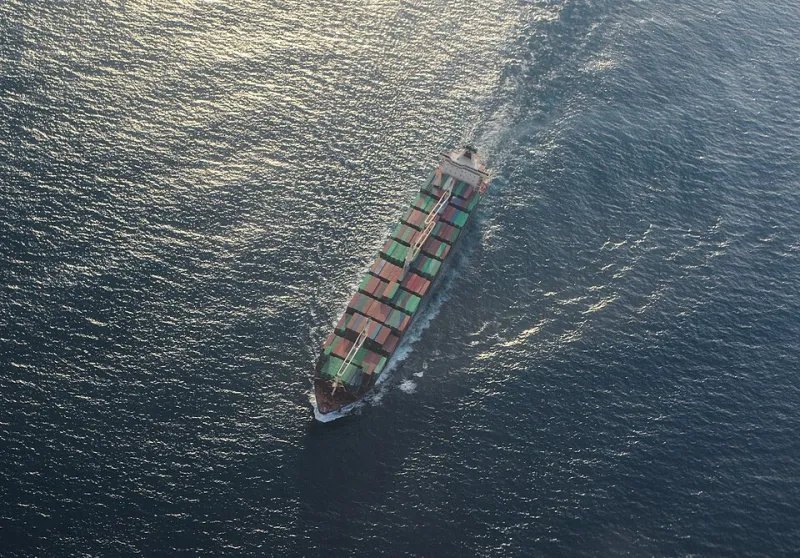
Photo: Wilfredor, CC BY-SA 3.0, via Wikimedia Commons
For most American companies, the hardest mile of international freight isn't the ocean crossing or the border queue. It's the paperwork — and more specifically, the words on it.
A single mistranslated commodity description can turn a routine shipment into a week-long customs hold. A hazmat label rendered incorrectly can trigger regulatory penalties on both sides of the border. In an economy where US businesses move more than $4 trillion in goods across borders annually, language gaps aren't a soft risk. They're a line item.
Where the Money Actually Leaks
The direct costs of a communication breakdown are easy to spot: demurrage charges, storage fees, re-delivery surcharges. But the indirect costs usually run higher.
Consider the anatomy of a typical delay. A pallet of industrial adhesives arrives at Laredo with a Spanish-language safety data sheet that doesn't match the English manifest. The shipment gets pulled for inspection. The truck sits. The consignee's production line, waiting on those adhesives, slows to half capacity. By the time the documentation is corrected, the shipper has absorbed detention fees, a missed delivery window penalty, and — hardest to quantify — a customer who starts requesting quotes from competitors.
The Hazmat Problem Nobody Wants to Talk About
Few areas expose translation risk like dangerous goods. Under DOT and international dangerous goods regulations, hazard classifications, handling instructions, and emergency response information must be accurate and consistent across every document that travels with the shipment.
A chemical importer shipping from Monterrey to Houston once saw an entire trailer rejected at the border because the Spanish-language shipping name on the packaging didn't align with the English description on the manifest. The goods themselves were compliant. The words were not. The result: reclassification, re-documentation, and a nine-day delay on temperature-sensitive materials.
Customs Is a Language Test Before It's a Compliance Test
Customs brokers will tell you that most clearance problems begin as description problems. Vague or inconsistent product descriptions — "machine parts" instead of the correct harmonized tariff language — invite scrutiny. When those descriptions cross languages, the risk compounds.
An invoice written in Mandarin, a packing list in English, and a customs declaration in Spanish create three opportunities for a mismatch. Customs authorities don't adjudicate intent; they adjudicate documents. And mismatched documents mean holds, exams, and fees that the shipper pays regardless of who was technically at fault.
Closing the Gap: A Practical Playbook
The good news is that language risk is manageable. Shippers who consistently avoid border delays tend to do four things:
- Standardize product descriptions in both languages. Maintain a bilingual glossary of commodity descriptions, HS codes, and units of measure, and require every document in a shipment to reference it.
- Vet partner documents, not just partner prices. Ask carriers and brokers how they handle documentation in the origin country's language. Silence on this question is an answer.
- Reconcile documents before the truck rolls. A five-minute check that the manifest, invoice, packing list, and labels agree will prevent most holds.
- Work with logistics partners who are bilingual by design. Not translators bolted onto a freight operation, but teams that read a Mexican cartaporte or a Chinese commercial invoice natively and catch discrepancies before customs does.
Language Fluency as a Competitive Edge
There's a reason the largest shippers treat multilingual capability as infrastructure rather than an afterthought. In cross-border lanes, the company that can read the paperwork — really read it — moves faster, files cleaner entries, and builds a compliance record that keeps future shipments flowing.
At TS Trans, we've built our operation around a simple observation: freight and language are not two services. On an international lane, they're the same service. The companies that internalize this aren't just avoiding delays. They're converting a hidden cost their competitors still pay into a durable pricing and reliability advantage.
The border doesn't care how good your product is. It cares whether your paperwork speaks its language.