Cutting Out the Middleman: A Practical Economics Guide for Owner-Operators Considering Self-Dispatch
Photo: CZmarlin — Christopher Ziemnowicz, a photo credit would be appreciated if this image is used anywhere other than Wikipedia., CC BY 4.0, via Wikimedia Commons
The math that tempts every owner-operator is simple and seductive: brokers keep 15 to 25 percent of the linehaul on a typical load. On a $2,500 flatbed run, that's $375 to $625 walking into someone else's pocket. Multiply that across a year of steady freight, and going independent starts to look less like a gamble and more like a raise.
But the broker's cut doesn't vanish when the broker does. It converts into your time, your overhead, and your exposure. Before you hang your own dispatch shingle, it's worth running the numbers the way a lender would — line by line, without romance.
What You're Actually Taking On
When a broker disappears from your operation, several jobs appear in its place, and each one carries a price tag.
Load sourcing. Access to load boards like DAT or Truckstop runs roughly $150 to $200 per month for a professional-tier subscription. That's the cheap part. The real cost is the hours: calling on posts, negotiating rates, and verifying that the load on the board is the load at the dock. Owner-operators who self-dispatch routinely report spending 10 to 15 hours a week on sourcing alone — hours that come out of your rest, not your spare time, when you're also the driver.
Credit and risk screening. Brokers absorb a certain amount of fraud and double-brokering risk because they see it constantly. When you book direct, you're the one checking MC numbers, calling shippers to verify, and eating the loss when a ghost load leaves you stranded in Laredo with an empty trailer.
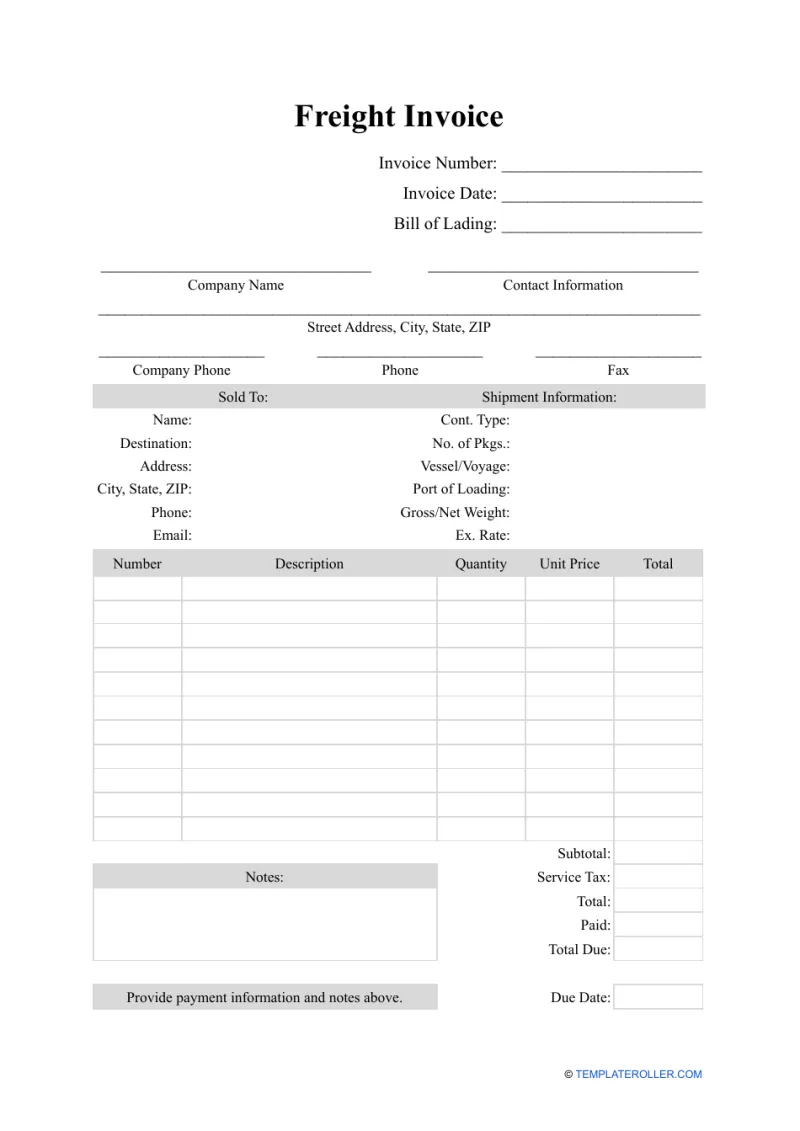
Back office and compliance. Invoicing, collections, carrier packets, certificate-of-insurance requests, and rate confirmations all land on your desk. Many independent operators hire a part-time dispatcher or use a virtual dispatch service — typically 5 to 10 percent of gross, which quietly gives back a third of the margin you thought you were reclaiming.
The factoring question. Shippers on direct freight often pay in 30 to 45 days. A single-truck operation without a cash cushion will likely need factoring, which runs 2 to 3 percent of the invoice — another slice of the spread you fought to win back.
The Insurance Layer Nobody Budgets
Here's the trap that catches the most capable drivers: direct customers frequently require cargo coverage limits, general liability policies, or endorsements that a standard owner-operator package doesn't carry. A $100,000 cargo policy might be fine for a broker's freight; a direct manufacturing customer may want $250,000 or more, plus auto liability at $1,000,000 and additional-insured endorsements on every load.
Budget $2,000 to $5,000 annually in added premiums for a serious direct-shipper profile, and expect underwriting delays when you chase a new account. If your renewal lands mid-negotiation with your biggest prospect, you'll learn what leverage feels like from the wrong side.
Deadhead Miles: The Hidden Broker Service
A good broker doesn't just find freight — they find sequenced freight. When you book your own loads, nobody is building your backhaul into the deal. The consequence shows up on your fuel statement: reload rates in the 25 to 35 percent range turn a great-paying headhaul into a mediocre week.
Before celebrating a $3.10 all-in rate on a lane to Atlanta, ask what you'll run out of Atlanta. If the answer is deadhead 200 miles to Savannah at your own expense, the effective rate on the round trip may be worse than the broker load you turned down.
A Playbook for Making Independence Work
For operators who've run the numbers and still want in, the successful ones tend to follow a similar path.
Start with one direct account, not zero. The carriers who thrive without brokers usually left their employer — or their broker — with a customer relationship intact. Landing one shipper that pays 85 to 90 percent of the linehaul direct changes the economics entirely. Cold-calling load boards with no anchor freight is a much harder game.
Cap your sourcing time and price it. Assign your hours a dollar value — say, $35 an hour as a dispatcher. If self-dispatch costs you 12 hours a week, that's $420 in labor. Compare that against the broker's margin honestly, not aspirationally.
Invest in real tools early. A TMS with built-in load-board access, invoicing, and document storage runs $50 to $150 a month and pays for itself the first time you avoid a lost rate confirmation or a missed detention invoice. Paperwork failures are the most common way new direct relationships die.
Build the cash reserve before you need it. Sixty days of operating expenses — fuel, insurance, truck payment — is the minimum buffer for direct freight's payment terms. Without it, factoring percentages will eat the independence you're chasing.
Know your exit criteria. Set a review date — 90 days is reasonable — and define what failure looks like in advance. If your deadhead percentage exceeds 20 percent, or your effective rate per mile drops below your brokered baseline, the experiment is telling you something. Listen to it.
When the Broker Is Still the Right Answer
There's no prize for purity. A broker relationship that delivers consistent lane density, absorbs your deadhead risk, and pays quickly can be worth every point of its margin — especially for a single-truck operation without back-office help. Many of the strongest independent carriers run a hybrid: one or two direct accounts anchoring their week, with broker freight filling the gaps.
The trend toward self-dispatch is real, and for some operators it's genuinely transformative. But independence isn't a status symbol; it's a cost-benefit analysis that changes with fuel prices, insurance markets, and freight cycles. Run the numbers before the market runs them for you.