From Curb to Dock: The Delivery Leg Your Freight Quote Never Covers
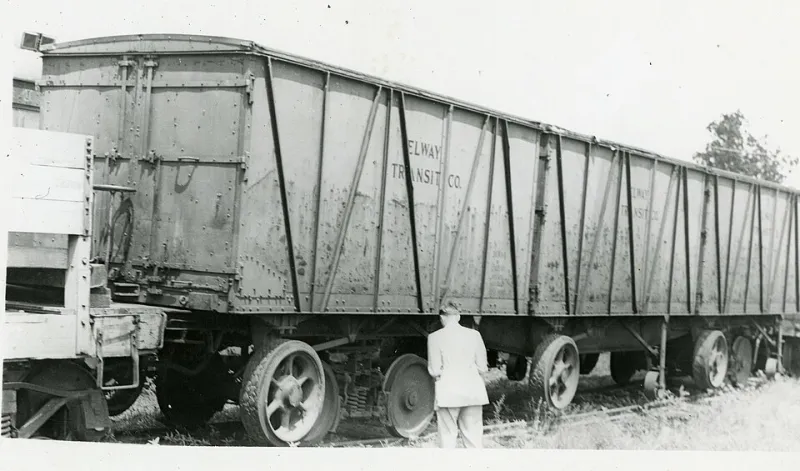
Photo: Unknown, No restrictions, via Wikimedia Commons
Every shipper learns the same lesson eventually: the freight quote is a promise about the first thousand miles, not the last hundred. The truck arrives on time, the driver backs toward the building — and that is precisely when the meter starts running in ways nobody quoted.
Accessorial charges, detention, redelivery attempts, and inside-delivery fees routinely add 10 to 30 percent to a shipment's final cost. For small and mid-size shippers operating on thin margins, that gap between quote and invoice is not an accounting nuisance. It is a structural leak.
Where the Money Actually Goes
The final leg of a delivery is where standard line-haul pricing ends and à la carte billing begins. The most common surprises:
- Detention. Once a driver waits beyond the free time written into the contract — often as little as 30 to 60 minutes at a dock — hourly charges begin. A slow receiving room on a busy Tuesday can quietly turn a $900 shipment into a $1,150 one.
- Liftgate and inside delivery. If the consignee lacks a dock, a liftgate fee applies. If the driver is asked to carry freight past the threshold, inside-delivery charges follow, sometimes per piece.
- Failed delivery attempts. A closed receiving door, a missing appointment, or an unsigned consignee can trigger redelivery fees that compound daily.
- Residential and limited-access reclassification. Deliveries to schools, churches, job sites, and strip malls are frequently reclassified as limited access — a surcharge many shippers meet for the first time on an invoice.
- Sort-and-segregate and appointment fees. Destination facilities that require scheduled appointments or multi-stop unloading pass those handling costs back through accessorials.
None of these charges is illegitimate. They reflect real labor and real time. The problem is that they appear on the invoice rather than on the quote.
Reading the Contract Before the Truck Is Booked
The accessorial schedule is usually an appendix — and it is the appendix that matters. Before signing, shippers should ask three questions of any carrier agreement.
First, what is the free time at delivery, and who counts it? Contracts that define detention from arrival rather than from a checked-in timestamp invite disputes. Insist on a documented arrival time, whether from ELD data or a signed gate log.
Second, what triggers a redelivery charge, and who bears it when the consignee caused the failure? A well-drafted agreement assigns failed-delivery costs to the party responsible for the miss. A vague one assigns them to whoever pays the invoice — usually the shipper.
Third, is there a cap or a flat rate on accessorials? Carriers with published, capped accessorial schedules are easier to budget against than those billing at tariff rates that can change without notice.
Fixing the Last 100 Feet Operationally
Contract language only works when operations support it. Shippers who consistently avoid accessorial creep tend to do three things well.
They qualify the consignee at booking. Asking whether the destination has a dock, forklift, appointment requirement, and receiving hours takes two minutes and eliminates most surprise fees before they occur.
They manage dock time deliberately. Sharing expected volume with the receiving team, staggering inbound appointments, and giving drivers a point of contact on arrival all reduce detention at its source.
They audit every invoice against the quote. Accessorial charges that were never disclosed at booking should be disputed, not absorbed. Carriers track which shippers challenge fees; the ones who never do tend to see more of them.
Turning the Final Leg into a Negotiating Position
Shippers with consistent volume have leverage they rarely use. If your lanes generate predictable detention or liftgate exposure, ask for those accessorials to be bundled into the line-haul rate or discounted against annual spend. Carriers would rather price a known cost than dispute it line by line.
The last hundred feet will never be free. But it can be predictable — and in freight, predictable is what a quote was supposed to mean all along.